
Google Content Experiments (discontinued) vs. Omniconvert Explore
Google Content Experiments (discontinued) vs. Omniconvert Explore
| Product | Rating | Most Used By | Product Summary | Starting Price |
|---|---|---|---|---|
 Google Content Experiments (discontinued) | N/A | Google Content Experiments was a tool that can be used to create A/B test from within Google Analytics. It has been discontinued since 2019, and Google now recommends using its Google Optimize service for A/B testing. | N/A | |
 Omniconvert Explore | Mid-Size Companies (51-1,000 employees) | Explore by Omniconvert is a conversion rate optimization platform. It boasts a democratic approach to product development, where users can help decide the future of the CRO tool. Through software and services, Explore by Omniconvert aims to help global eCommerce companies improve their conversion rates through advanced segmentation algorithms, A/B testing, Web Personalization and Web surveys. The vendor state Omniconvert currently has… | $0 |
| Google Content Experiments (discontinued) | Omniconvert Explore | |||||||||||||||
|---|---|---|---|---|---|---|---|---|---|---|---|---|---|---|---|---|
| Editions & Modules | No answers on this topic |
| ||||||||||||||
| Offerings |
| |||||||||||||||
| Entry-level Setup Fee | No setup fee | Optional | ||||||||||||||
| Additional Details | — | — | ||||||||||||||
| More Pricing Information | ||||||||||||||||
| Google Content Experiments (discontinued) | Omniconvert Explore |
|---|
| Google Content Experiments (discontinued) | Omniconvert Explore | ||||||||||||||||||||||||||||||||||||||||||||||||||||||||||||
|---|---|---|---|---|---|---|---|---|---|---|---|---|---|---|---|---|---|---|---|---|---|---|---|---|---|---|---|---|---|---|---|---|---|---|---|---|---|---|---|---|---|---|---|---|---|---|---|---|---|---|---|---|---|---|---|---|---|---|---|---|---|
| Testing and Experimentation |
| ||||||||||||||||||||||||||||||||||||||||||||||||||||||||||||
| Audience Segmentation & Targeting |
| ||||||||||||||||||||||||||||||||||||||||||||||||||||||||||||
| Results and Analysis |
|
| Google Content Experiments (discontinued) | Omniconvert Explore | |
|---|---|---|
| Small Businesses |  Convert Experiences Score 9.9 out of 10 | Convert Experiences Score 9.9 out of 10 |
| Medium-sized Companies |  Dynamic Yield Score 8.3 out of 10 | Dynamic Yield Score 8.3 out of 10 |
| Enterprises | Dynamic Yield Score 8.3 out of 10 | Dynamic Yield Score 8.3 out of 10 |
| All Alternatives | View all alternatives | View all alternatives |
| Google Content Experiments (discontinued) | Omniconvert Explore | |
|---|---|---|
| Likelihood to Recommend | 9.0 (0 ratings) | 10.0 (0 ratings) |
| Likelihood to Renew | 7.5 (0 ratings) | - (0 ratings) |
| Support Rating | 8.0 (0 ratings) | 10.0 (0 ratings) |
| Google Content Experiments (discontinued) | Omniconvert Explore | |
|---|---|---|
| Likelihood to Recommend | 
| 
 Dustin Day Director of UX development, social media and SEO/SEM |
| Pros |
|
Dustin Day Director of UX development, social media and SEO/SEM |
| Cons |
 Sam Wiltshire Web Marketing Specialist |
Dustin Day Director of UX development, social media and SEO/SEM |
| Likelihood to Renew |
 Jenny DeGraff Design Optimization Manager | No answers on this topic |
| Support Rating |
|
Dustin Day Director of UX development, social media and SEO/SEM |
| Alternatives Considered |
 Mark Castaldo Marketing Web Developer |
Dustin Day Director of UX development, social media and SEO/SEM |
| Return on Investment |
|
Dustin Day Director of UX development, social media and SEO/SEM |
| ScreenShots | Omniconvert Explore Screenshots 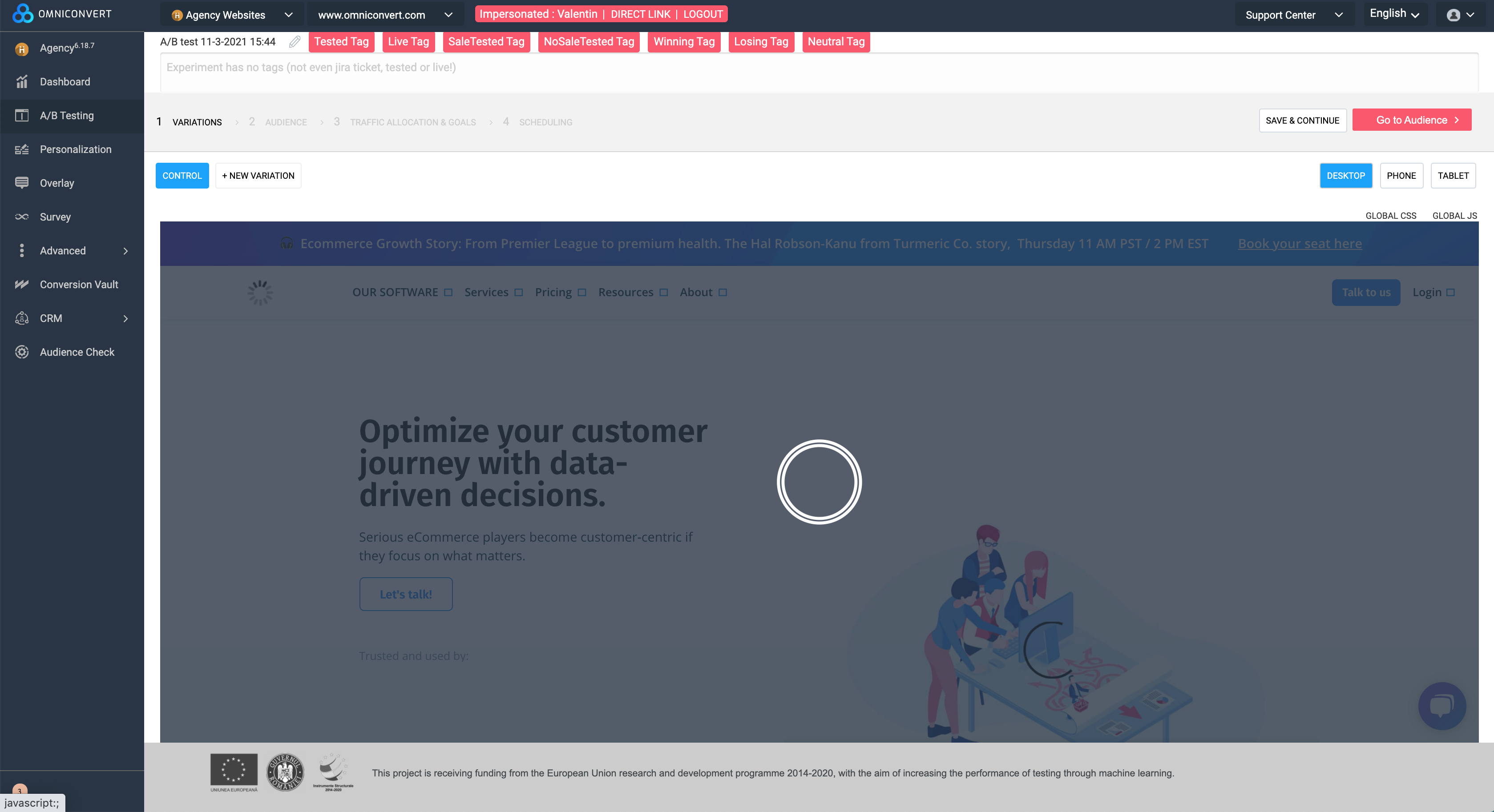  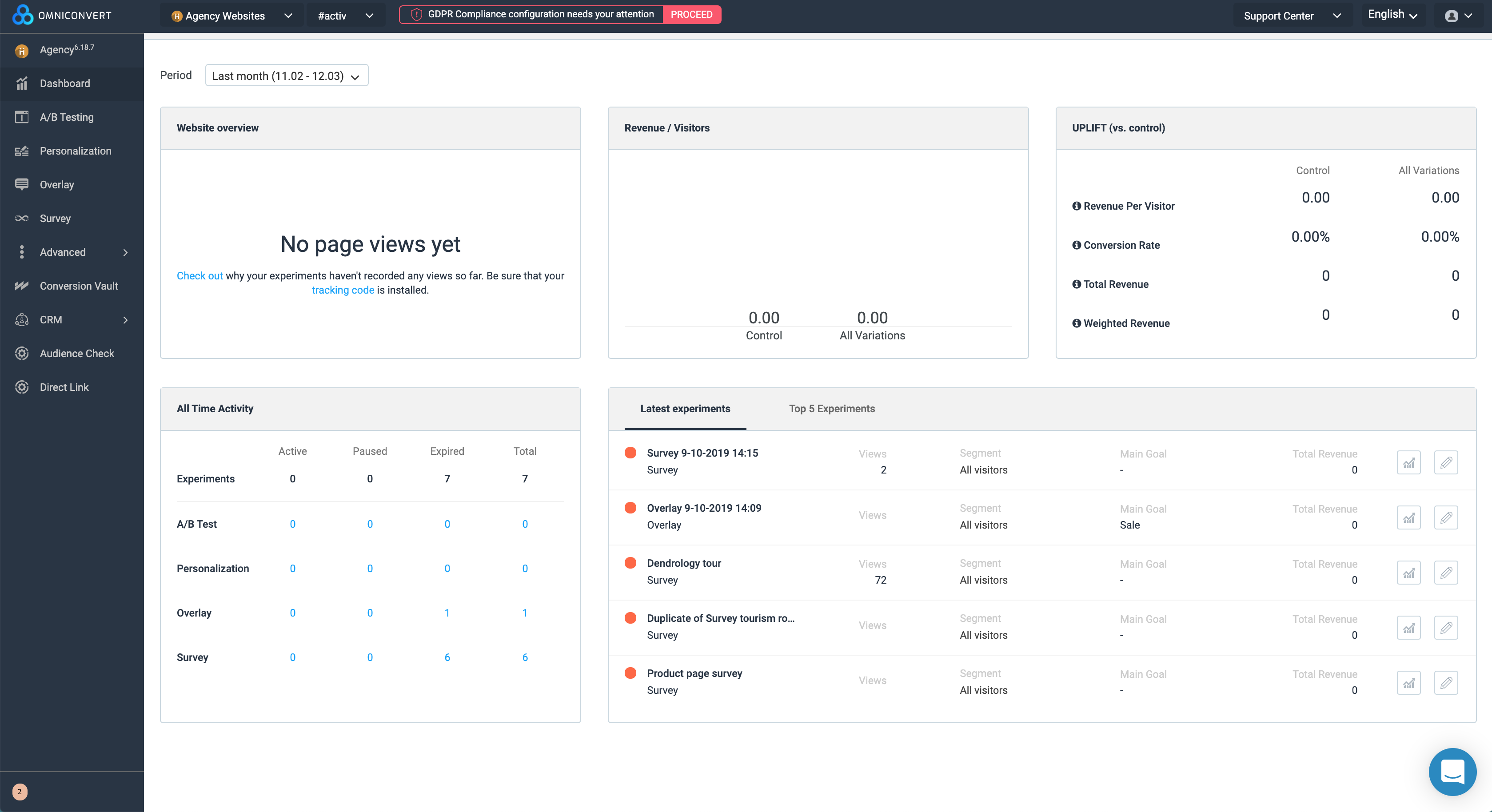   |