IBM Engineering Lifecycle Management (ELM) is an end-to-end engineering solution used to manage system requirements to design, workflow, and test management, extending the functionality of ALM tools for better complex-systems development.
N/A
ReqView
Score 0.0 out of 10
N/A
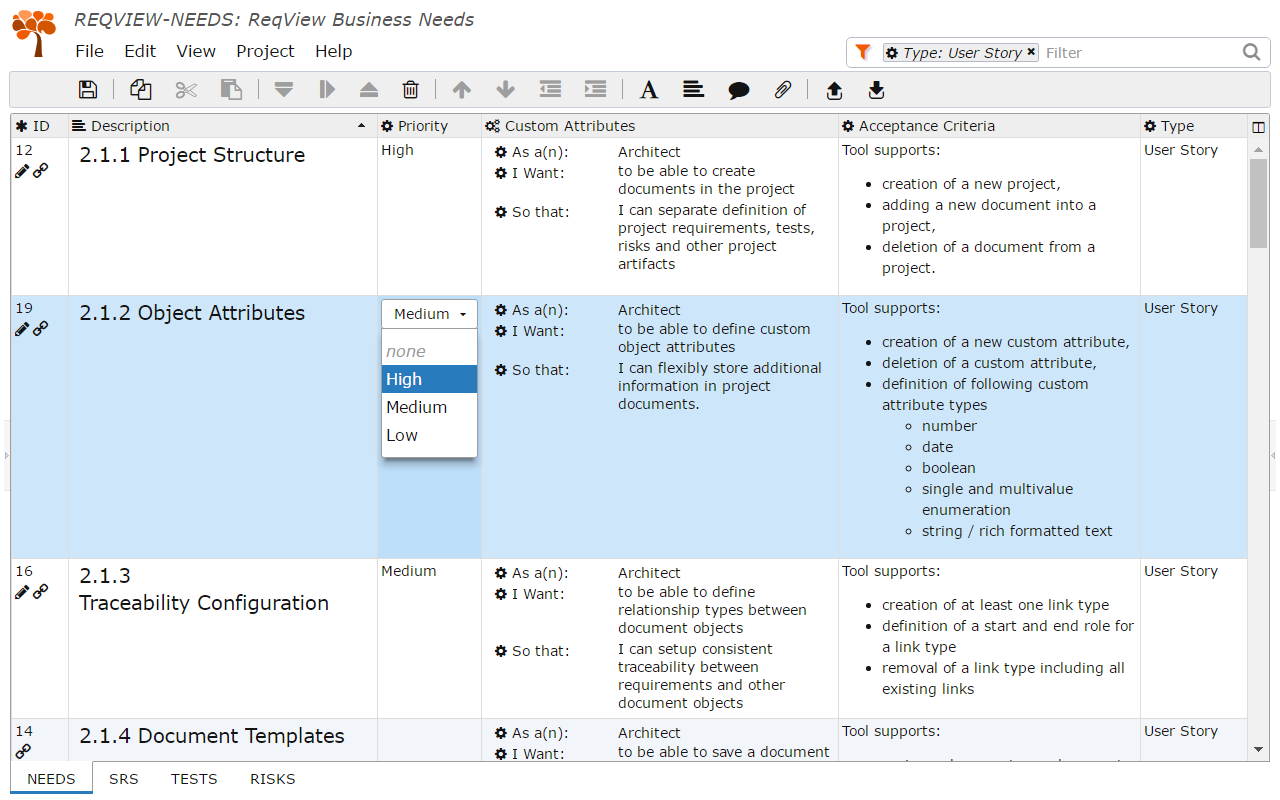
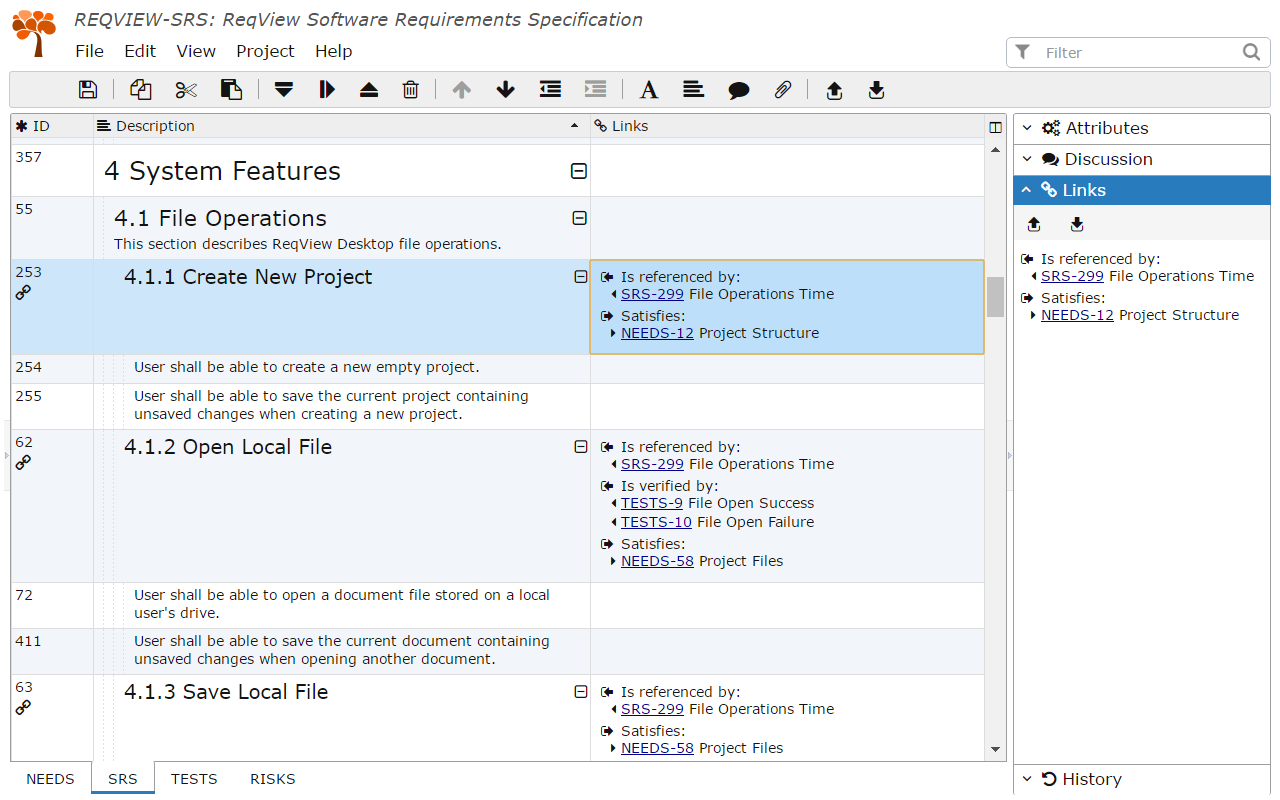
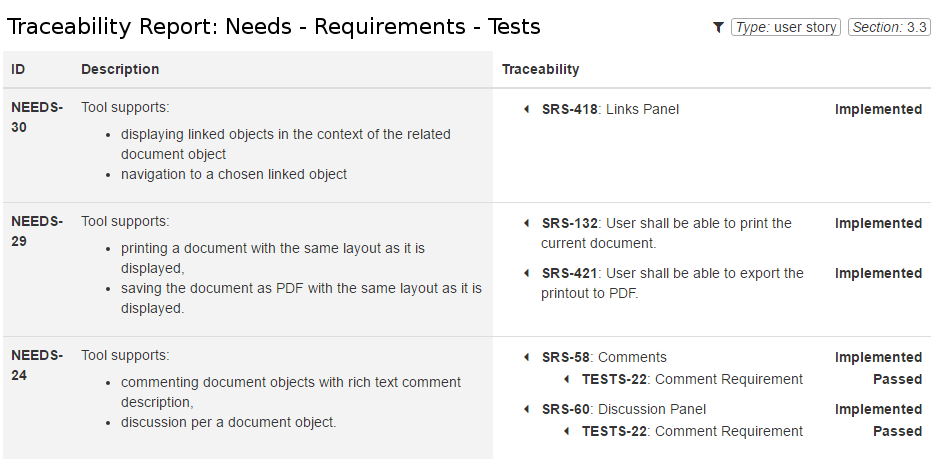
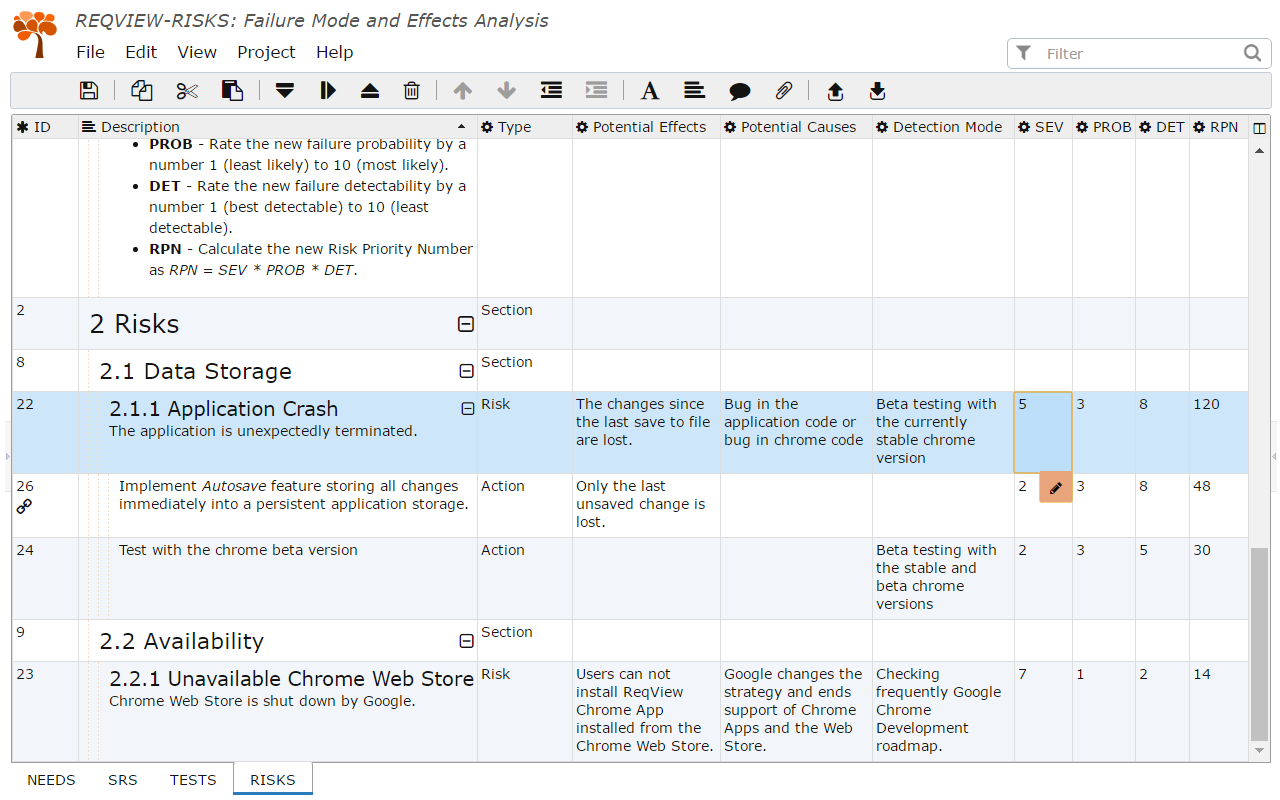
ReqView is a requirements management tool used to capture structured requirements for a software or system product and track traceability to design, tests and risks of the developed product. ReqView can support small and medium size companies from medical, aerospace & defense, automotive, electronics, automation ... industries saving a lot of efforts with documenting compliance with industry standards. According to the vendor, capabilities and benefits…
Projektspezialist bei Steffen Jäschke EinzUnt Physik, Berechnungen
Chose IBM Engineering Lifecycle Management
The established experience contained in most IBM Rational DOORS installations is only compensated by the high flexibility of Atlassian Jira. The markets state that Jira is less expensive in the setup. There are many manufacturers that support IBM Rational DOORS to have the big …
I would choose IBM Rational DOORS over any other requirements management tool out there. Polarion tries to do too many things and is great for some things but as far as requirements management IBM Rational DOORS is the best tool on the market.
It was easier to do all the change management-related activities, even configurations were handled very effectively. New process definitions and initiatives made it easier for better project deliverables. Effective resource allocations and better reporting and defect …
DOORS is not a suite nor an integrated tool like HP ALM or Rally. It only does one thing and cannot hold defects or accommodate sprint planning. It is older, takes longer to connect and load, and has an inconvenient timeout. It does do a basic job and can be customized to show …
Although Jira is getting popular in DevOps team, it does not work well with ITIL model as RTC does. RTC is still widely used for production management in our company.
CA Service Desk Manager (GSD) is integrated with TPAM which is being used for privilege account management in …
To me, DOORS is like a super version of Excel and Word combined with a relational database. I have not used too many database softwares before, but DOORS does a very specific job well enough. It is so powerful that some of the tools just go unused. Some parts of the software …
Requisite Pro (and Rational Requirements Composer, it's successor) is more simple and focused on requirements. Is like a part of DOORS and can be suitable to smaller projects. IT people on the other hand prefer agile tools like Jira. Of course if the project is big enough, …
It's well integrated with IBM products so it provides better coverage across the lifecycle with first class integration. Other producst are stand alone with limited integration with ALM tools.
An alternative which I have very briefly used is Atlassian's JIRA, which is very similar to IBM RTC, although has a modern UI, feels light-weight and is faster to respond and additionally has seamless integration with bitbucket, which is a Git platform, and other Atlassian …
JIRA is simpler and much more intuitive, especially when bundled with confluence.
TFS is obvious choice if working with Microsoft technologies and has superb API.
It is easy for the organization to identify what kind of problems there are in the project and how many change requests have been resolved and how many are pending. Thereby the employer can pro-actively arrange the meetings and address the issues to the team members.
This product had many of the same features, was easier to use, which would result in less training, and had a lower price tag. Logic and reason do not always figure prominently in a decision. Sometimes there are intangible characteristics that alter the flow. In my observation, …
While working on a complex project it is important all the needed change requests are handled in an effective manner, this tool helps us do exactly the same, it had great features to manage those change management tickets, making sure to merge the change with existing workflow, prioritize the requests centrally so there are no duplicates. Easy to collaborate across different teams and colleagues across the aisle.
There are a couple of areas where IBM Rational DOORS is quite strong. First, it is part of the IBM CLM solution so the artifacts developed in this module can be easily available for other functions like development and QA. They can link with their stories and test cases and team leads and managers can use traceability matrix to find out where there are gaps in coverage.
Comprehensive configuration management functionality (concept of multiple streams and global configuration) is available, which can be helpful if you need to implement configuration management scenarios for your product or project. For example, a certain version of a requirement can be linked with one story and another version of same requirement can be linked with another story. This is the unique feature which other current tools in the market don't provide.
It's highly customizable so you can configure the project areas based on your need. You can have your own requirement types, and you can define templates to speed up the process. Comprehensive review functionality is there as well.
Too complex for projects or businesses that don't really need the detail. It is basically overkill.
If you are new to IBM Rational tools, it may be a medium learning curve. You'd also need lots of training from your people, since, as usual, this tool shouldn't be managed alone.
It may seem old fashion compared to Jira and the current control tools used in IT industry.
One of the downsides for us was the capabilities of the native build tools were lacking. The project management and work item tracking capabilities are great and I would recommend the tool to anyone. There is a definite learning curve with RTC as a source control system, and the streams are a concept unique to the product
The UI is terrible and not intuitive. Users need training in order to complete tasks. Much like SAP, it's not the clearest tool. The tracing feature is especially complicated because you must write the scripts yourself. There is a learning curve. Also, even the setup, installation, and logging in each time takes a considerable amount of time.
It does a basic job and has the potential to complete some robust reporting tasks, however, it really is a clunky piece of software with a terrible user interface that makes using it routinely quite unpleasant. Many of our legacy and maintenance projects still use DOORS but our department and company use many alternatives and are looking for better tools.
The established experience contained in most IBM Rational DOORS installations is only compensated by the high flexibility of Atlassian JIRA. The markets state that Jira is less expensive in the setup. There are many manufacturers that support IBM Rational DOORS to have the big tiers as their customers. Jira has problems in that growth. Jira has more features compared to IBM Rational DOORS. For example in cloud support, IBM Rational DOORS relies on improved external services while Jira abstracts in the most modern way. Jira experts have a different professional background compared to that of IBM Rational DOORS. They are indeed from different engineering generations. There is little interchange in personal and ideas.
RTC helps automate incident management workflow which improves our work efficiency. With the integration with Geneos and GSD, we can one click create RTC incident tickets from Geneos with most of the information copied from Geneos automatically and then link the details to GSD for privilege account management if needed.
RTC provides a holistic view on ad hoc production activities. We use RTC for production management. Whoever needs to get access to production due to non-planned activities (planned change is managed in GSD) has to raise an incident ticket or service request ticket in RTC so as to get production privilege accounts.
RTC is also being used to review and approve the usage of privilege account which help us to meet audit requirements. For example, if a user made some database change using privilege account under incident number xxx, an entry will be added in RTC and sent to account owner or production support manager to review and approve.