Chose MiCloud Connect
Avaya OneCloud CCaaS is also a powerful call-center cloud system (IP PBX) solution and is similar to MiCloud Connect. However, MiCloud Connect is easier to integrate with our infrastructure based on a test in Dev environment.

| Product | Rating | Most Used By | Product Summary | Starting Price |
|---|---|---|---|---|
 MiCloud Connect | N/A | MiCloud Connect is a business communications solution for contact centers that includes features like IP PBX telephony service, desk phones, softphone, and collaboration tools. It is integrable with other business communication technology, including Microsoft Outlook and CRM software. | $20.99 per user/per month | |
 Zoom Phone | N/A | Built on Zoom's platform, Zoom's cloud phone consolidates business communication and collaboration into a single system. Available in 40+ countries, with expandable coverage through a bring-your-own-carrier offering, Zoom Phone supports inbound and outbound calling through the public switched telephone network (PSTN). Features: Post call summary & next steps A post-call summary from Zoom’s AI Companion keeps the focus on the conversation instead of… | $10 per month per user |
| MiCloud Connect | Zoom Phone | |||||||||||||||
|---|---|---|---|---|---|---|---|---|---|---|---|---|---|---|---|---|
| Editions & Modules |
|
| ||||||||||||||
| Offerings |
| |||||||||||||||
| Entry-level Setup Fee | No setup fee | No setup fee | ||||||||||||||
| Additional Details | — | No fees for emergency 911 Service No fees for compliance and administrative cost recovery Fee No 10DLC SMS fees | ||||||||||||||
| More Pricing Information | ||||||||||||||||
| MiCloud Connect | Zoom Phone | |
|---|---|---|
| Considered Both Products |  MiCloud Connect  Sarah Jackson System Engineer Chose MiCloud Connect Superior telephone service is available from Mitel. The phone service and administration site have an intuitive user interface. Finally, it was argued that a unified communication plan's conferencing options were superior to what really exists. Mitel's advanced features and …  Justin Zipprich, Freelance Writer Chat Manager Chose MiCloud Connect This is the first program of its type that we have used at this company but I would highly suggest it as it is the backbone of our call center. The way it manages calls and emails is paramount to our success.  Erik Ross IT Help Desk Support Chose MiCloud Connect Much more user friendly/intuitive, better software experience and does not have the multitude of hardware failures that we experienced under Avaya's product.  Jay Moore CIO Chose MiCloud Connect We looked at some cloud based hosted systems, but in the end, these would cost more over time than an on premise system.  Gary Lamontagne Network and Systems Administrator Chose MiCloud Connect When evaluating phone systems, we looked at Cisco VoIP in addition to ShoreTel. Cisco was more money, had a higher learning curve, and we received a bad review from a local business who was using it. In the ShoreTel demo, the engineer brought their equipment and set up a demo …  Ryan Graven Vice President Chose MiCloud Connect Mitel and Toshiba for on-premises telephony. RingCentral and 8x8 for hosted. All of them have their strengths and weaknesses. For on-premises, there is no better solution than ShoreTel in my opinion. There are elements of the other hosted product I do appreciate like …  Josh Novak Manager of IT Services Chose MiCloud Connect We have also used allworx and when it worked it worked great, however there were a few times where the system would be down for a few days because of clock issues within an update.  Nick Cox Senior IT Recruitment Consultant / Military and Veteran Staffing Consultant Chose MiCloud Connect The system was great compared to other systems I've used. Easy to learn. Easy to use. Easy to implement. Easy to use on the go. Easy to make heavy call volume.  Jeremy Bond IT Manager Chose MiCloud Connect ShoreTel was one of the earlier VOIP solutions available. They established themselves as a leader early on but lack a lot of innovation that newer VOIP companies bring to the market. Everything comes at a cost, want a conference bridge, you're going to need a license. Want …  Jay Brackman Business Development /Subject Matter Expert- Managed IT Services Chose MiCloud Connect Polycom phones work fine, but they are a bit hard to learn how to use. There are a lot of "open" buttons that seem rather nebulous. ShoreTel's GUI interface really makes learning how to use the platform easy, even for a child to use. Plus ShoreTel designs and builds all of its …  Greg Golding Account Executive Chose MiCloud Connect Similar overall goals, but ShoreTel is easier to use from both a user standpoint as well as administrative standpoint. ShoreTel easily can be supported internally whereas Mitel would require more pro services  Khozaim Basrai Chief Technology Officer Chose MiCloud Connect Easy to set up, configure and use.  John Thompson Director of Online Operations Chose MiCloud Connect We looked at packet8 and decided they would be more of a headach to implement. Although, I do think their monthly service is cheaper, I guess you get what you pay for. There is very little comparesion between shortel sky and the alaoge box we had before. I think we paid 10K for …  Wayne Morse Senior Telecommunications Engineer and Contract Analyst Chose MiCloud Connect ShoreTel Sky scores big on customer services and compared to the competition (XO, Avaya, etc...) they are very accessible which is huge, especially in regards to getting problems fixed. Cost wise they are very, very competitive and they beat everyone else's prices we looked at. …  Lawrence Garner Support Analyst 2 Telecommunications Chose MiCloud Connect One thing I like about ShoreTel is that each upgrade is compatible with hardware used in previous versions. And Shoretel is still using Microsoft servers.  David Maxwell IT Systems Administrator Chose MiCloud Connect We also evaluated Cisco VOIP and Avaya. Avaya wasn't as advanced and Cisco seemed similar. We watched 3 presentations and staff collectively voted for ShoreTel. |  Zoom Phone  Kayla Jane McLaughlin DIRECTOR Chose Zoom Phone I joined this company after they had already chosen Zoom Workplace is very functional but too confusing for the ties to our e mail addresses, document sharing, etc...I don't feel great about using it and who sees what.  Trey Topper Systems Support Generalist Chose Zoom Phone We use Teams still for most things, but for video conferencing and phones we use Zoom Workplace because it is much better and more cost effective, hardware wise.  Wenceslao Unzueta Product Manager Chose Zoom Phone As I mentioned before, the interoperability between Zoom Phone communication channels with Chat and Meeting makes this a good user and customer experience.  Becky Bobrink Telecom Engineer Chose Zoom Phone Users did not like the Jabber chat...found it hard to use and un reliable on mobile.  Jim Schuman Regional Sales Manager Chose Zoom Phone Zoom Phone is my primary choice |
| MiCloud Connect | Zoom Phone | ||||||||||||||||||
|---|---|---|---|---|---|---|---|---|---|---|---|---|---|---|---|---|---|---|---|
| Cloud PBX |
| ||||||||||||||||||
| Call Management |
| ||||||||||||||||||
| VoIP system collaboration |
| ||||||||||||||||||
| Mobile apps |
|
| MiCloud Connect | Zoom Phone | |
|---|---|---|
| Small Businesses |  CloudTalk Score 7.2 out of 10 | CloudTalk Score 7.2 out of 10 |
| Medium-sized Companies | CloudTalk Score 7.2 out of 10 | CloudTalk Score 7.2 out of 10 |
| Enterprises |  Cisco Business Edition 7000 (discontinued) Score 9.0 out of 10 | Cisco Business Edition 7000 (discontinued) Score 9.0 out of 10 |
| All Alternatives | View all alternatives | View all alternatives |
| MiCloud Connect | Zoom Phone | |
|---|---|---|
| Likelihood to Recommend | 8.3 (0 ratings) | 9.4 (0 ratings) |
| Likelihood to Renew | 8.6 (0 ratings) | 10.0 (0 ratings) |
| Usability | 8.0 (0 ratings) | 8.0 (0 ratings) |
| Availability | 10.0 (0 ratings) | - (0 ratings) |
| Performance | 5.1 (0 ratings) | - (0 ratings) |
| Support Rating | 3.5 (0 ratings) | 6.6 (0 ratings) |
| In-Person Training | 6.0 (0 ratings) | - (0 ratings) |
| Online Training | 2.0 (0 ratings) | - (0 ratings) |
| Implementation Rating | 9.6 (0 ratings) | - (0 ratings) |
| Configurability | 6.4 (0 ratings) | - (0 ratings) |
| Ease of integration | 9.1 (0 ratings) | - (0 ratings) |
| Product Scalability | 7.6 (0 ratings) | - (0 ratings) |
| Vendor post-sale | 9.1 (0 ratings) | - (0 ratings) |
| Vendor pre-sale | 9.1 (0 ratings) | - (0 ratings) |
| MiCloud Connect | Zoom Phone | |
|---|---|---|
| Likelihood to Recommend |
Sarah Jackson System Engineer |
|
| Pros |
Josh Novak Manager of IT Services |
|
| Cons |
|
|
| Likelihood to Renew |
Greg Golding Account Executive |
|
| Usability |
 Casey Wright Temporary Administrative Assistant |
|
| Reliability and Availability |
| No answers on this topic |
| Performance |
 Shane Hayes Director of Operations | No answers on this topic |
| Support Rating |
 Zak Gunnells Systems Administrator |
|
| In-Person Training |
| No answers on this topic |
| Online Training |
| No answers on this topic |
| Implementation Rating |
| No answers on this topic |
| Alternatives Considered |
|
|
| Scalability |
Gary Lamontagne Network and Systems Administrator | No answers on this topic |
| Return on Investment |
 Joe DiCristofano IT Director |
|
| ScreenShots | MiCloud Connect Screenshots  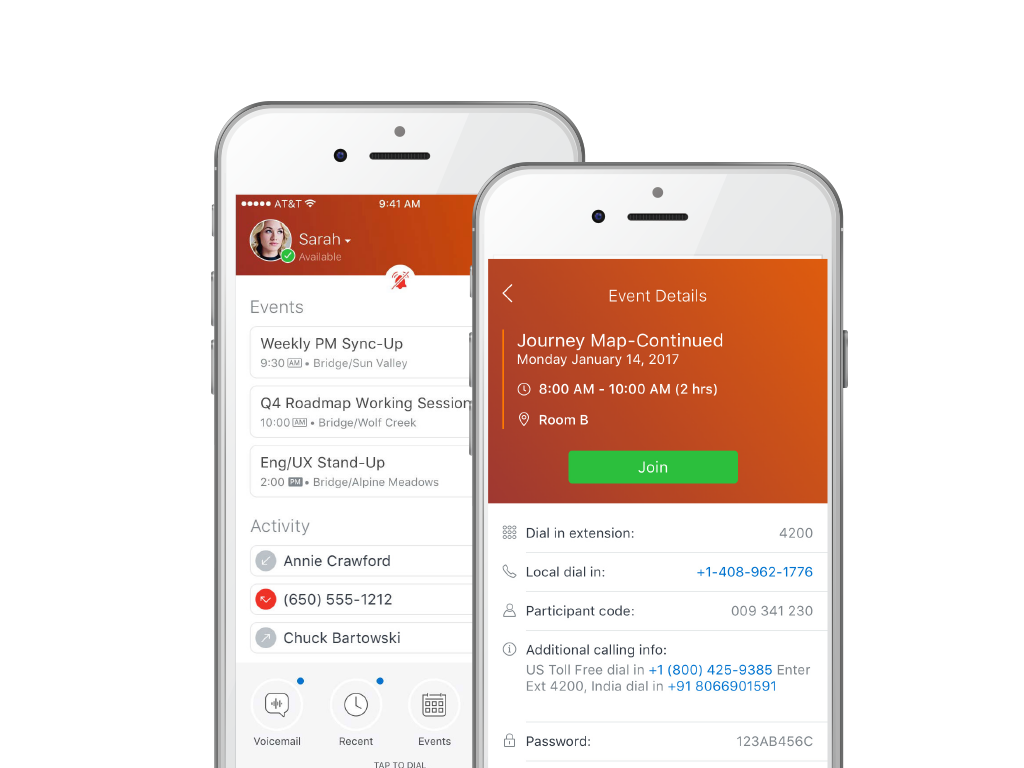  | Zoom Phone Screenshots   |